
The NFL salary cap limits a team’s counted salary charges for a league year. It is not a simple total of cash paid during that year. A signing bonus can be paid at one time while its cap cost is allocated across several contract years. That difference explains how releasing a player can save cash… Continue reading NFL Salary Cap Explained: A Worked Roster Example
Tag: NFL
NFL Roster Rules: Active Players and Practice Squad
An NFL roster count means little until you know the category and the date. The regular-season and postseason 53-player Active/Inactive roster is different from the game-day active list and from the practice squad. Standard elevations can temporarily increase Active/Inactive to 54 or 55 without making every player eligible to dress for the game. This guide… Continue reading NFL Roster Rules: Active Players and Practice Squad
NFL Draft Rules: Eligibility, Order and Picks
The NFL Draft connects three separate decisions: whether a player is eligible, where a selection belongs in the order and which eligible player the club owning that pick chooses. For the 2026 NFL Draft, keep those steps separate. An eligible prospect is not automatically selected, and a club’s original draft position does not prove it… Continue reading NFL Draft Rules: Eligibility, Order and Picks
Cover 3 Match vs Cover 3 Zone: Coverage Responsibilities

The difference between Cover 3 Match and basic spot-zone Cover 3 is what a defender does when a route develops. A spot-zone defender works a called area and relates to threats entering it. A match defender can become responsible for carrying a particular receiver because that receiver’s release triggers a rule. Both can begin from… Continue reading Cover 3 Match vs Cover 3 Zone: Coverage Responsibilities
Cover 3 Beaters: How Offenses Attack the Coverage
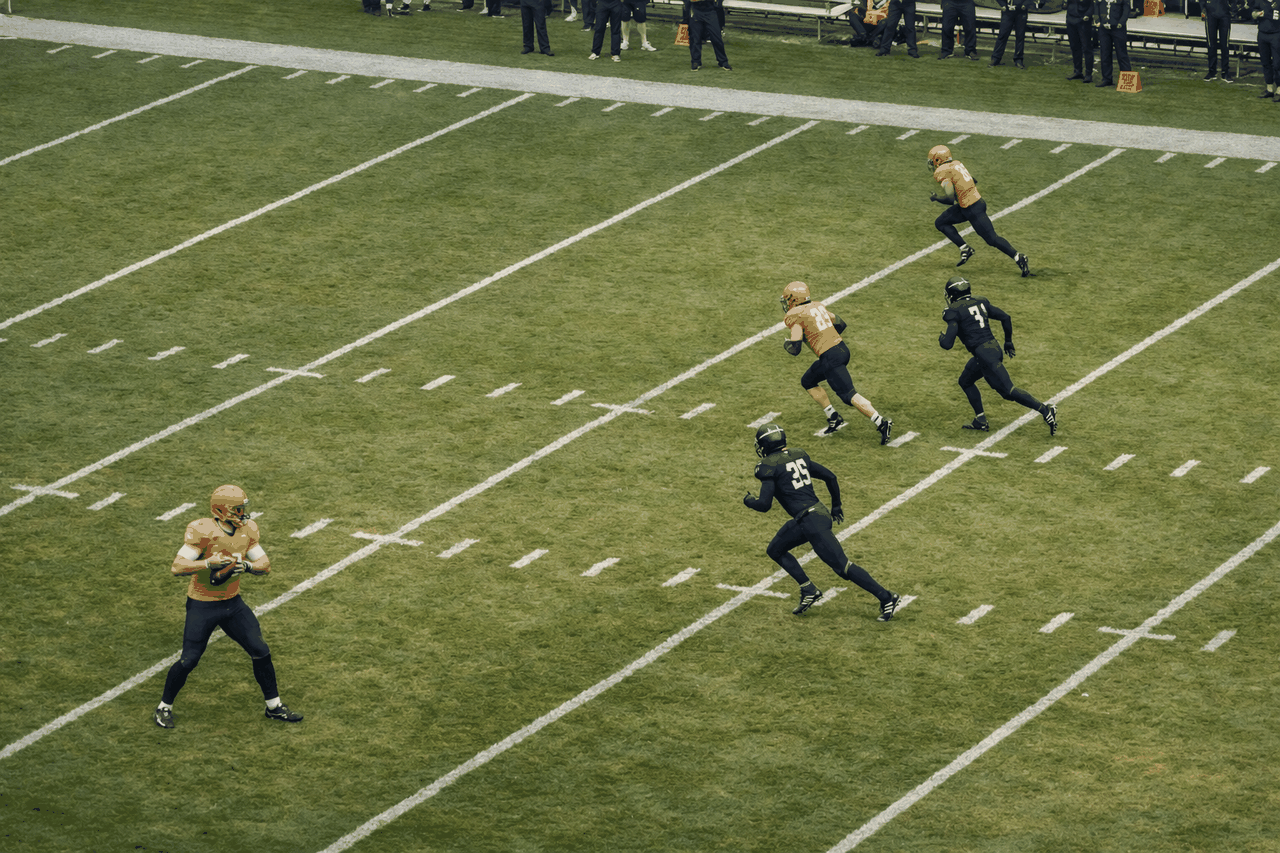
An offense can attack spot-zone Cover 3 by placing more route levels on one side than the nearby defenders can cover comfortably. A flood or sail concept does this with a vertical route, an intermediate outside route and a short flat route. The quarterback reads how the outside-third corner and curl-flat defender divide those threats,… Continue reading Cover 3 Beaters: How Offenses Attack the Coverage
Cover 2 Beaters: Offensive Concepts with Diagrams
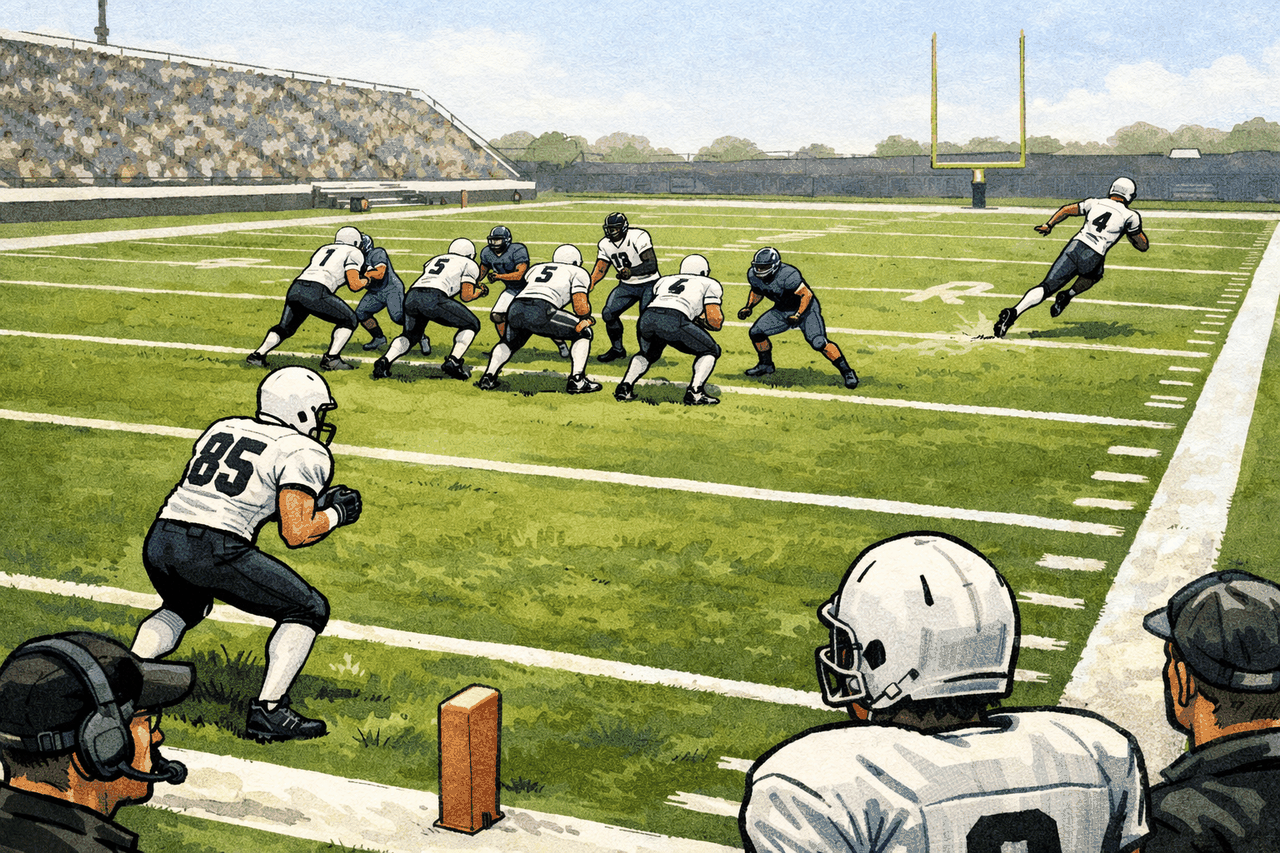
To attack Cover 2, an offense can place a short route and a deeper route in the space controlled by a flat corner and a deep-half safety. The aim is to make their responsibilities pull apart, then throw into the window their movement creates. The concept works only when the quarterback confirms that window; the… Continue reading Cover 2 Beaters: Offensive Concepts with Diagrams
Cover 3 Defense Explained: Alignment and Assignments
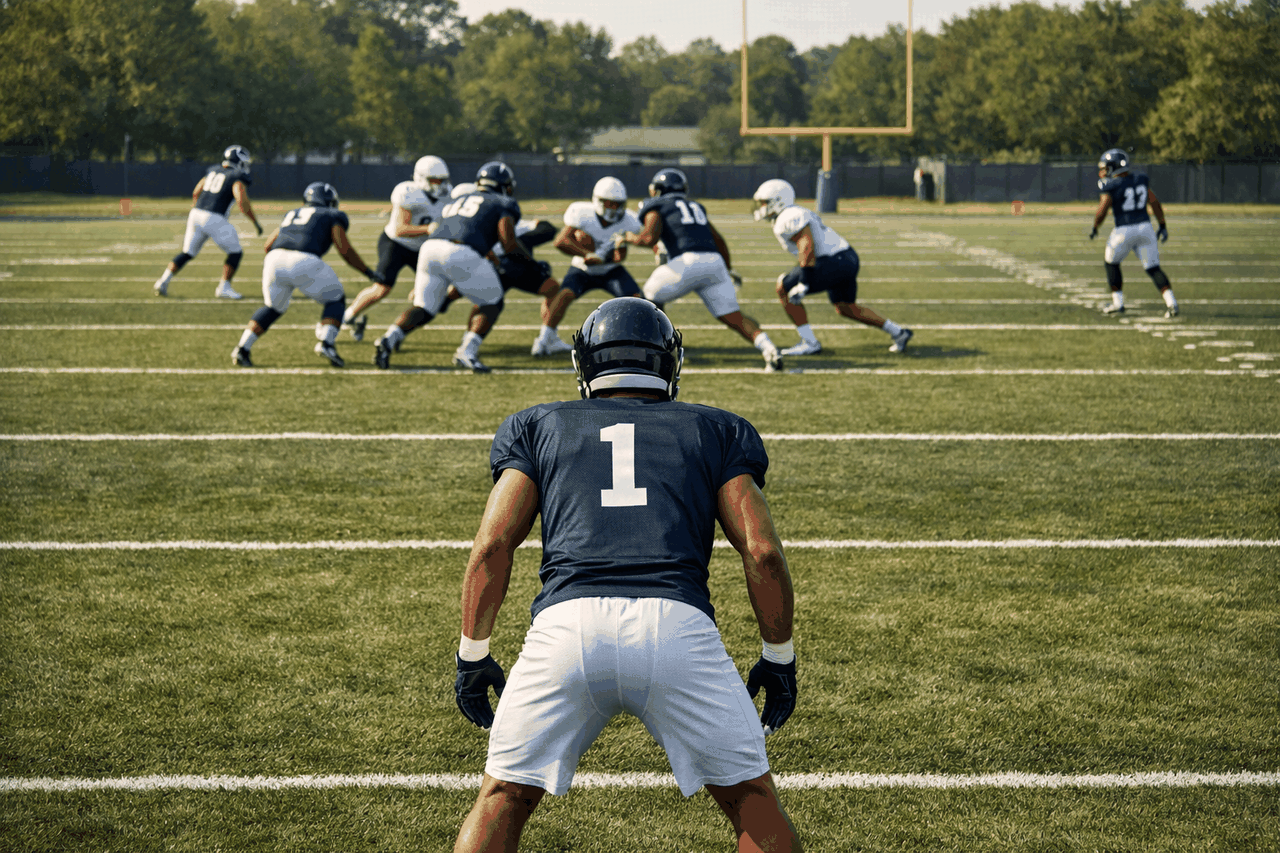
Cover 3 puts three defenders across the deep field, usually an outside corner on each side and a safety in the middle. In the spot-zone model here, four defenders work underneath and four rush. The deep defenders keep vertical routes in front, while the underneath defenders respond to routes entering their areas. The illustrated version… Continue reading Cover 3 Defense Explained: Alignment and Assignments
Cover 2 in Football: Zones, Roles and Examples
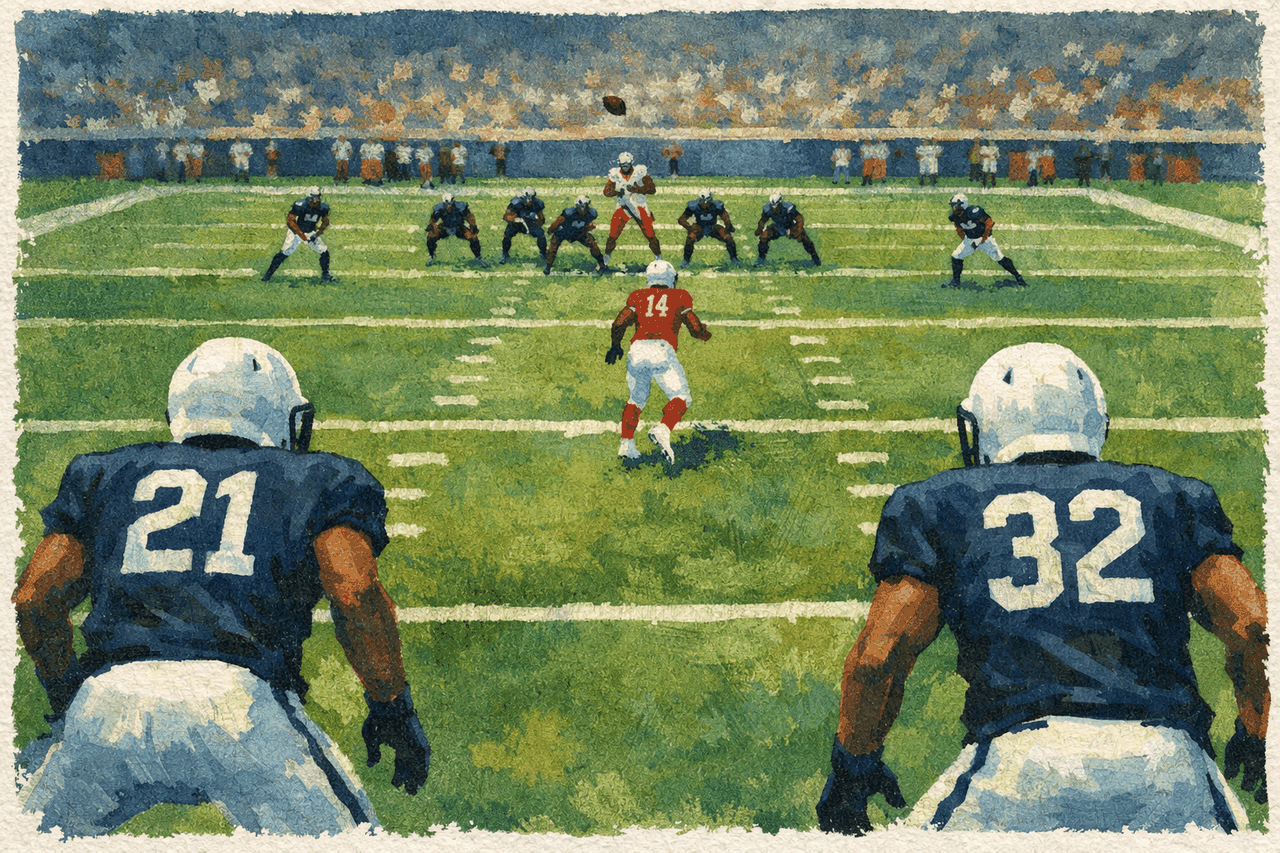
Cover 2 divides the deep field between two safeties. In the basic zone model here, five defenders work underneath and four rush the passer. Its central bargain is clear: keep help over both sides while the underneath defenders control short throws and connect those deep halves to the line. Read this coverage through the defenders’… Continue reading Cover 2 in Football: Zones, Roles and Examples
NFL Offensive Schemes: How Major Systems Differ
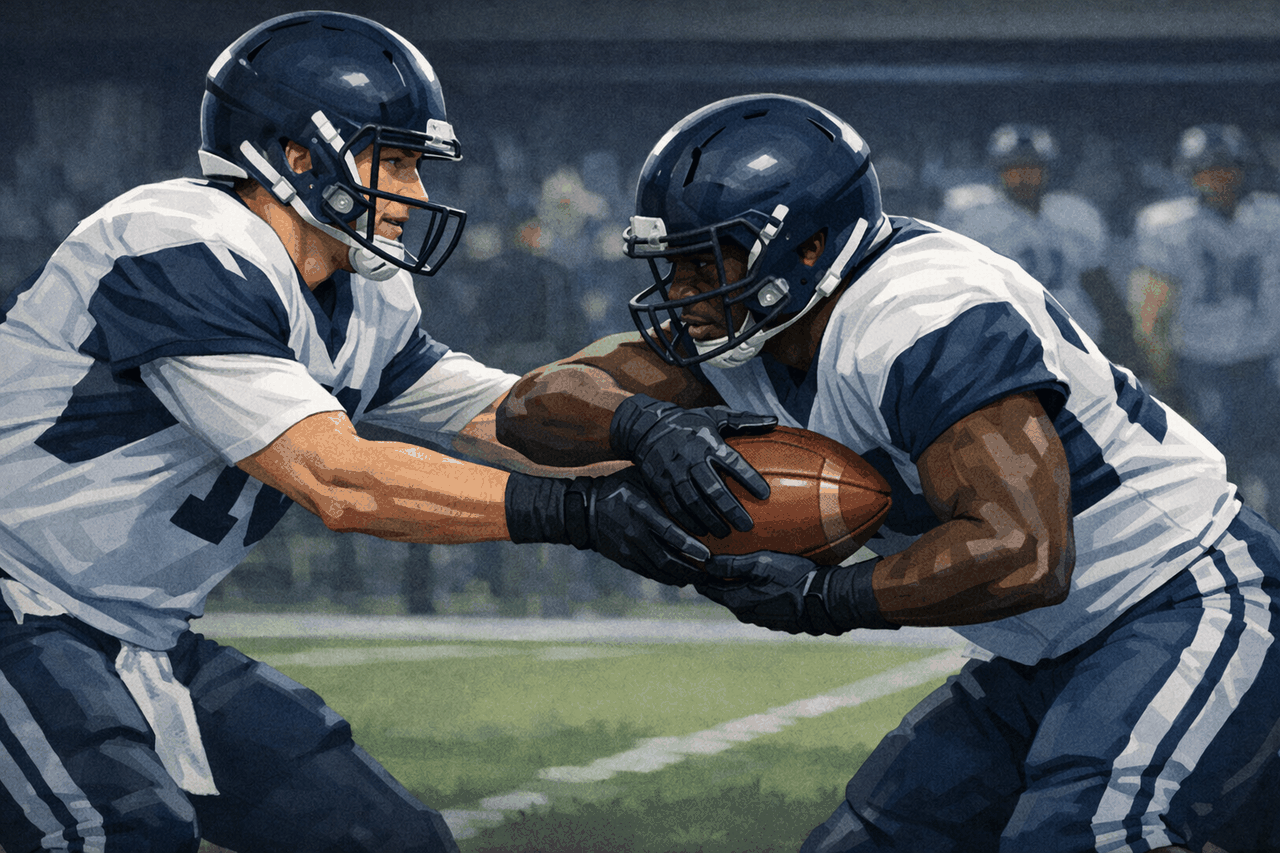
Offensive schemes differ in how they create space, connect runs to passes and organize the quarterback’s decisions. A useful comparison starts with those principles, rather than a list of team names. Timing passes, spread dropback concepts and wide-zone play-action can all appear in one offense. The models below keep the same 11 personnel and starting… Continue reading NFL Offensive Schemes: How Major Systems Differ